 DoughPrint
How to Sell Custom Cookie Cutters on Etsy: A Beginner's Guide
Custom cookie cutters are one of the most beginner-friendly things you can sell with a 3D printer: cheap to make, light to ship and endlessly personalizable. Here's how to turn a printer and a few designs into a real Etsy shop.
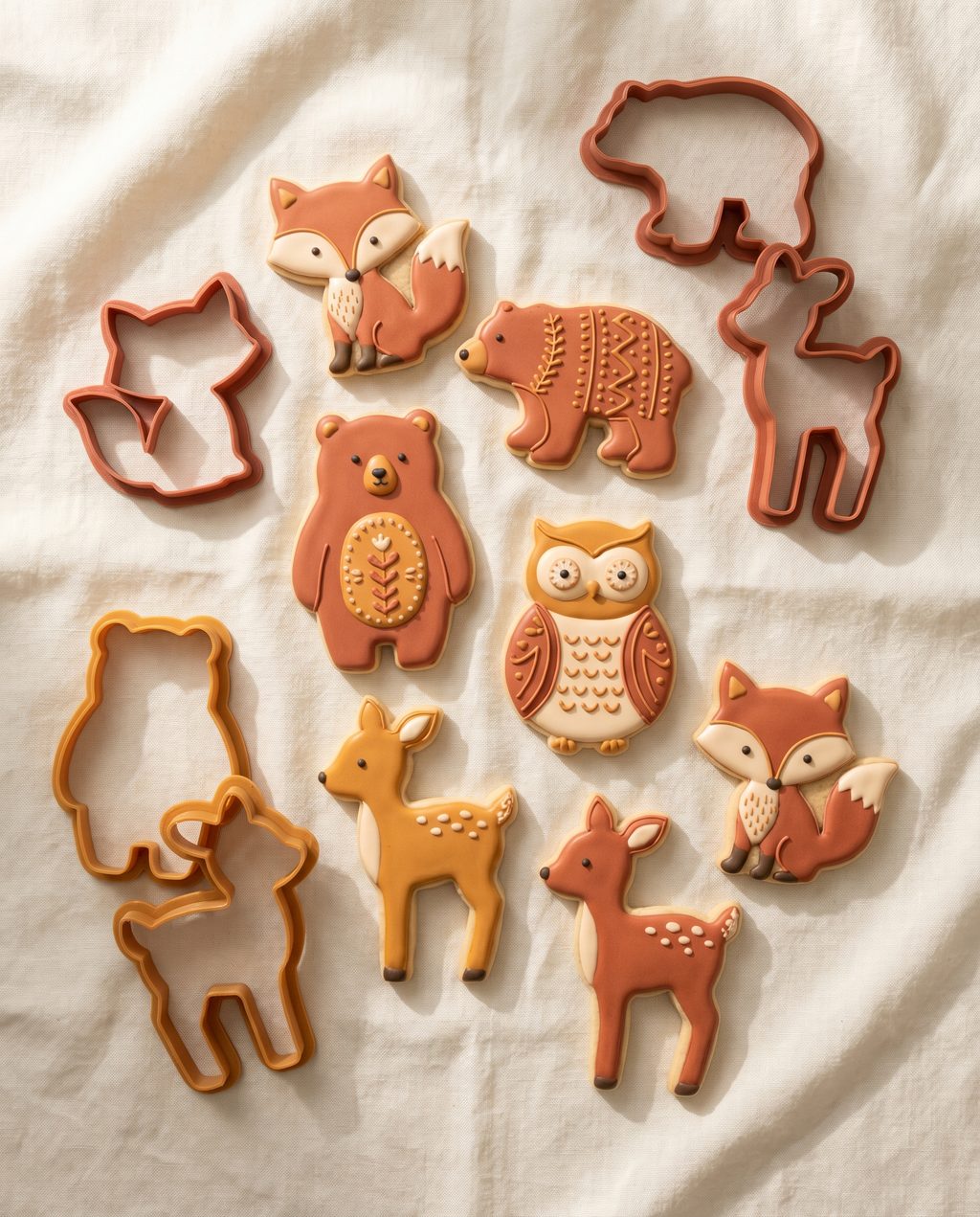
A custom cookie cutter costs a few cents of filament and twenty minutes of print time, yet a personalized one happily sells for several euros or dollars. That gap is why cutters are such a popular first product for makers: low risk, fast to produce, and people genuinely love a shape that is theirs. This guide covers the whole journey — from picking a niche to writing a listing that actually shows up in search.
1. Is there really demand?
Yes — and it's broader than "cookies." Search Etsy for "custom cookie cutter" and you'll find thousands of listings across very different buyers:
- Celebrations — weddings, baby showers, birthdays and anniversaries, where a monogram or a date makes the cookie a keepsake.
- Small businesses — bakeries and brands that want their logo as a cutter for branded treats.
- Hobby bakers — collectors of themed sets (animals, holidays, hobbies) who buy in bundles.
- Pets and people — a silhouette of someone's dog, or a name in a fun script.
The winning angle for a small shop is almost always personalization. A generic star cutter competes with factories; "the bride and groom's names in a heart" does not.
2. What you need to get started
A 3D printer — any standard FDM printer works. A single budget machine can print dozens of cutters a day.
Food-safe filament — PLA or PETG, printed and handled with food safety in mind (see our print settings guide).
Designs — this used to be the hard part. With DoughPrint you upload an image, sketch a shape or type a description, and get a watertight, printable cutter without any CAD.
No printer yet? You can still validate the idea by partnering with a local print service or a print-on-demand maker, then bring printing in-house once orders are steady.
3. Design products people actually search for
Your catalogue is your shop. The fastest way to fill it is to start from real demand — the phrases buyers type — and design to match. A few high-intent categories to seed your shop:
- Name cutters. "Personalized name cookie cutter" is evergreen. With DoughPrint's name studio you can turn a whole list of names into a bundle of cutters in one go, then sell each on demand.
- Logo cutters. Upload a customer's logo, let the AI clean it into a bold silhouette, and offer a "your logo as a cookie cutter" listing for businesses.
- Themed sets. Forest animals, Christmas, baby shower — bundle 3–6 matching shapes; bundles raise your average order value.
If you're brand new to the workflow, start with our walkthrough on turning any image into a cutter — it covers the three layers, sizing and keeping the cut dough in one piece.
Tip: offer two or three sizes of every design. The same STL scales instantly, and "small / medium / large" variants give buyers a reason to spend more.
4. Price for profit (without scaring buyers)
Your real costs per cutter are small but not zero. Add them up honestly:
- Material — typically well under €0.50 of filament for a standard cutter.
- Machine time — 20–45 minutes of printing; factor in a little electricity and wear.
- Your time — slicing, removing from the bed, packing. This is the biggest hidden cost, so don't underprice it.
- Etsy fees and shipping — listing, transaction and payment fees, plus the mailer.
Most single cutters land between €6 and €12 retail, with bundles and personalized pieces commanding more. Personalization is the easiest justified upcharge there is — a name or logo turns a commodity into a one-off.
5. Photos sell the cookie, not the plastic
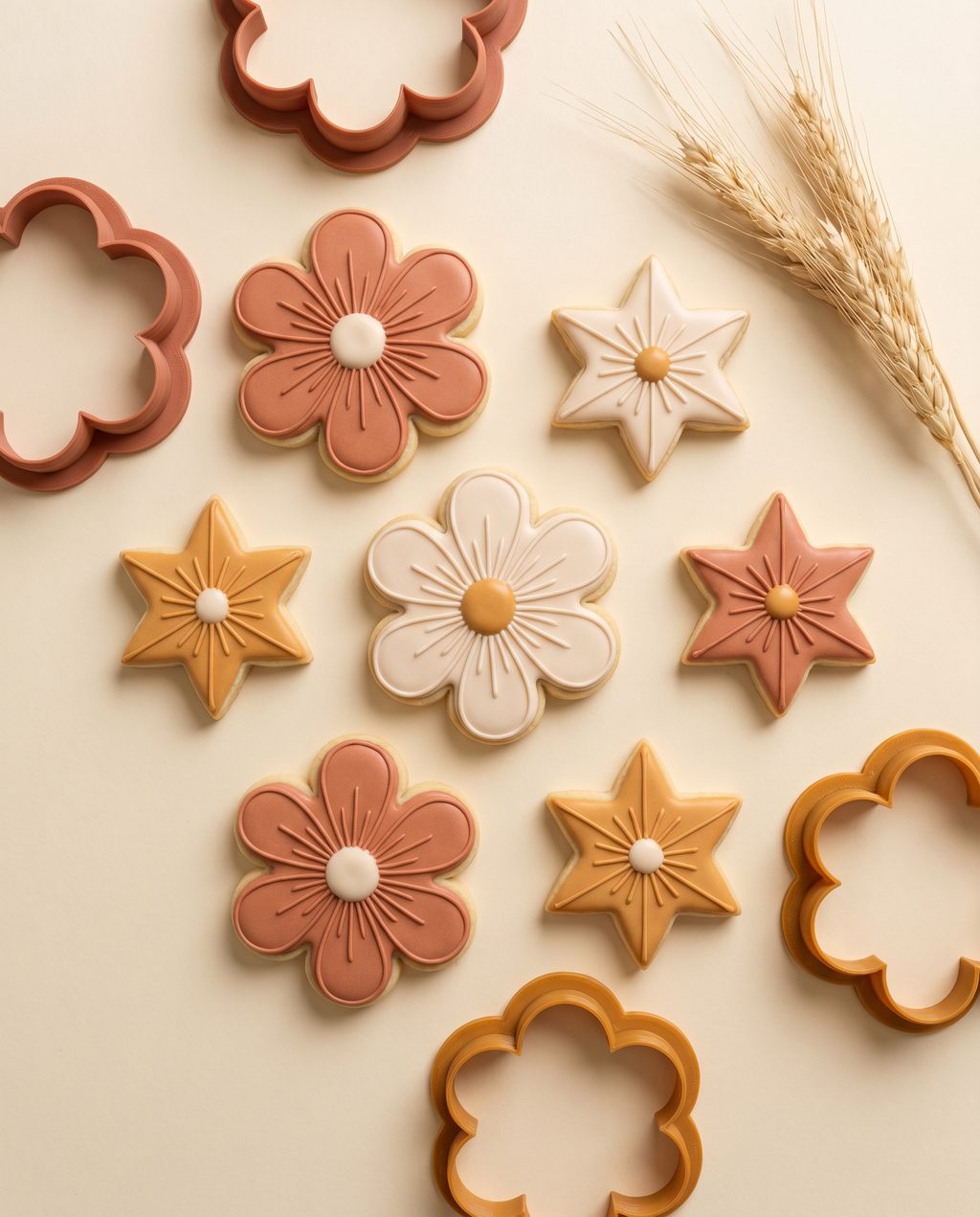
This is where most new shops lose sales. A grey cutter on a desk looks like a spare part; the same cutter next to a finished, decorated cookie looks like a gift. Show the outcome:
- A styled hero shot of the cutter beside the cookie it makes.
- A clear, well-lit photo of the cutter itself for scale and detail.
- A "how it works" shot — the cutter pressed into dough.
If you don't have a finished bake to photograph yet, DoughPrint can generate a dough-imprint preview and atmospheric product photos of your design, so a brand-new listing still looks the part from day one.
6. Write listings that rank in Etsy search
Etsy is a search engine. Treat every listing like a tiny SEO project:
- Title — lead with what it is and who it's for: "Personalized Name Cookie Cutter — Custom Script Cutter for Birthdays & Weddings."
- Tags — use all 13. Mix broad ("cookie cutter") with specific ("dog cookie cutter", "custom logo cutter") and occasion terms.
- Description — answer the buyer's questions: size options, material, food-safe handling, turnaround and how personalization works.
Writing all of that for dozens of listings is tedious, so DoughPrint's listing generator can draft an SEO-ready title, description, tags and a suggested price from your design — a solid first draft you can tweak in your own voice.
7. Fulfilment, food safety and reviews
Be upfront that 3D-printed cutters are tools, not cookware: hand-wash, don't put them in the dishwasher or hot dough, and treat the printed surface with normal food hygiene. Clear, honest care instructions prevent bad reviews — and early five-star reviews are what get a new shop off the ground. Pack cutters so they arrive undamaged (a small box or a rigid mailer) and ship promptly.
8. Scale once something clicks
When a design starts selling, lean into it: add size and colour variants, build a matching themed set, and use bulk generation to spin up whole families of name or logo cutters without redesigning each one. The work that used to gate a cutter shop — the designing — is now the fastest part.
The recipe is simple: pick a personal niche → design to real searches → price for your time → show the finished cookie → write findable listings. Start with three or four strong designs, get your first reviews, and grow from there.
Frequently asked questions
Is selling 3D-printed cookie cutters profitable?
Yes, the margins are unusually good: material cost is typically well under €0.50 per cutter, while single cutters retail between €6 and €12 — and personalized pieces and bundles command more. The biggest hidden cost is your own time for slicing, packing and shipping, so price that in honestly.
Do I need my own 3D printer to start a cutter shop?
No. You can validate the idea by partnering with a local print service or a print-on-demand maker, then bring printing in-house once orders are steady. Any standard FDM printer works, and a single budget machine can print dozens of cutters a day.
Which cookie cutters sell best on Etsy?
Personalization wins: name cutters, customer-logo cutters and themed sets of 3–6 matching shapes. A generic star competes with factories; a one-off with the buyer's name or logo does not — and bundles raise your average order value.
How should I handle food safety in my listings?
Be upfront that 3D-printed cutters are tools, not cookware: hand-wash in cool water, no dishwasher, no hot dough, and normal food hygiene on the printed surface. Clear, honest care instructions prevent bad reviews — and early five-star reviews are what get a new shop off the ground.
Ready to build your catalogue?
Design your first sellable cutter — and let AI draft the product photos and Etsy listing too.
Open the app →